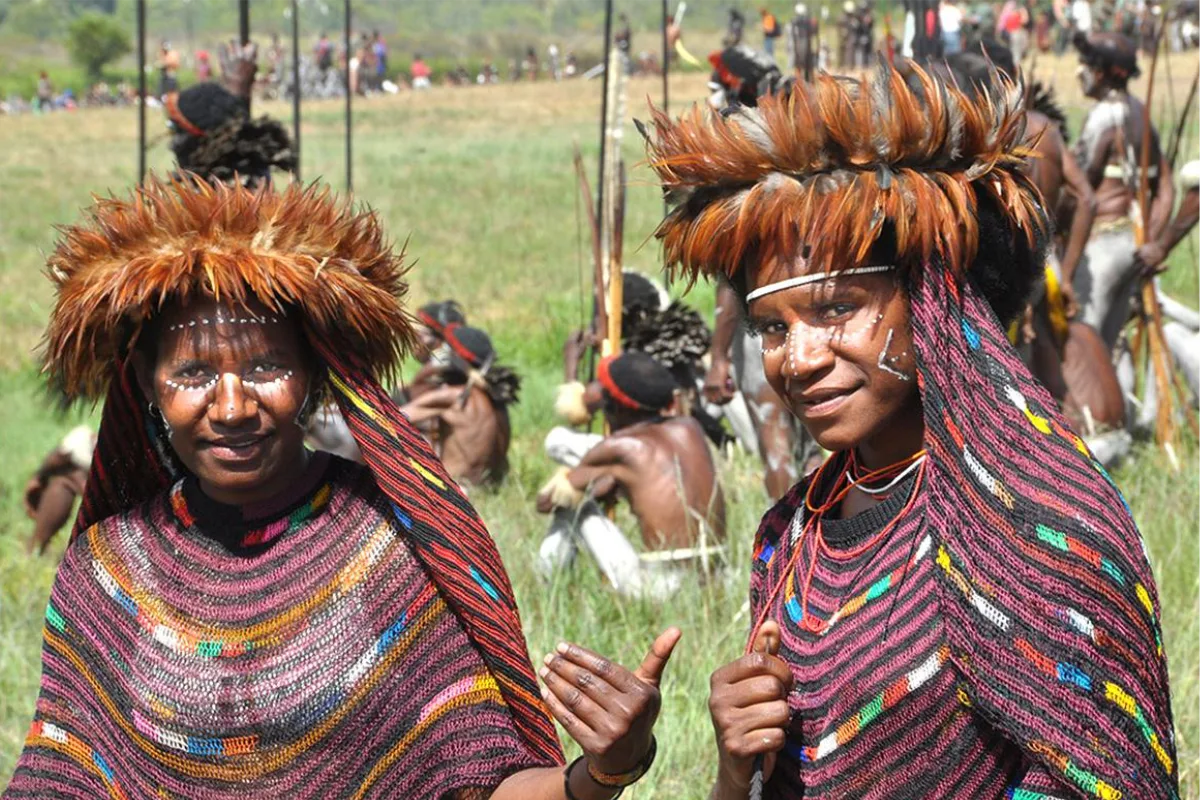
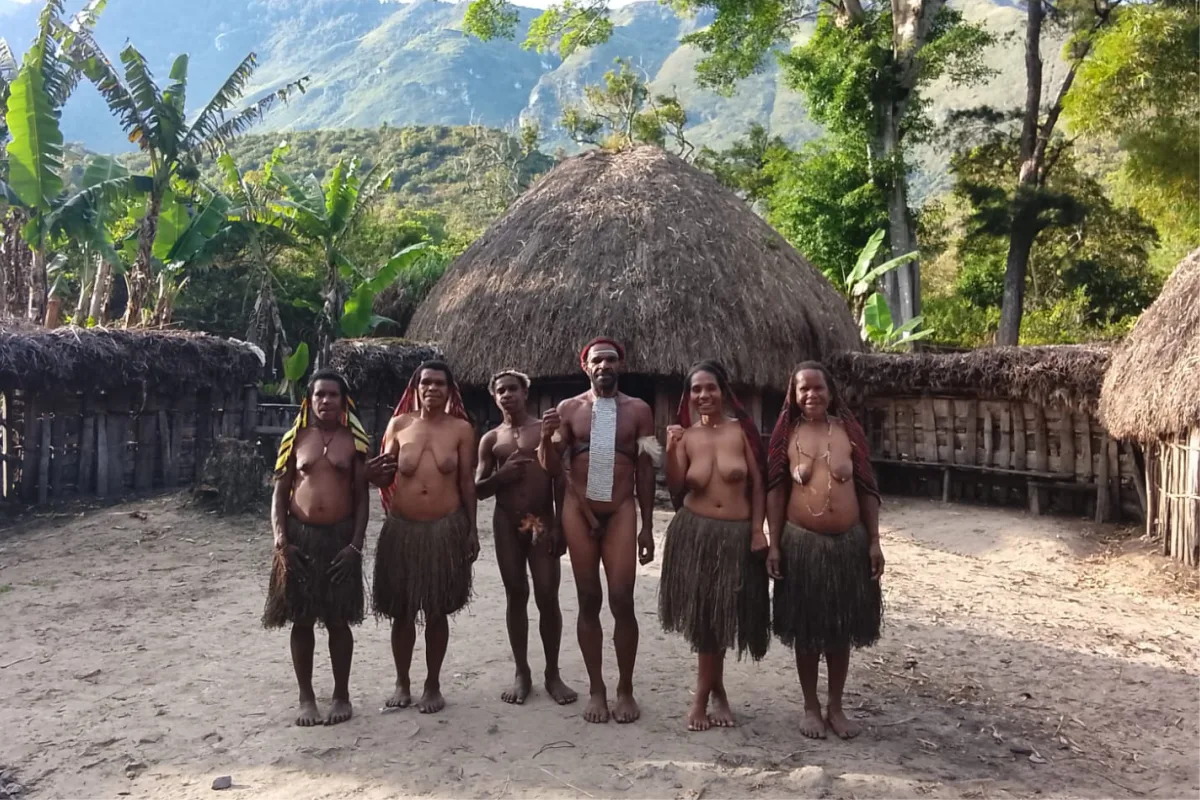
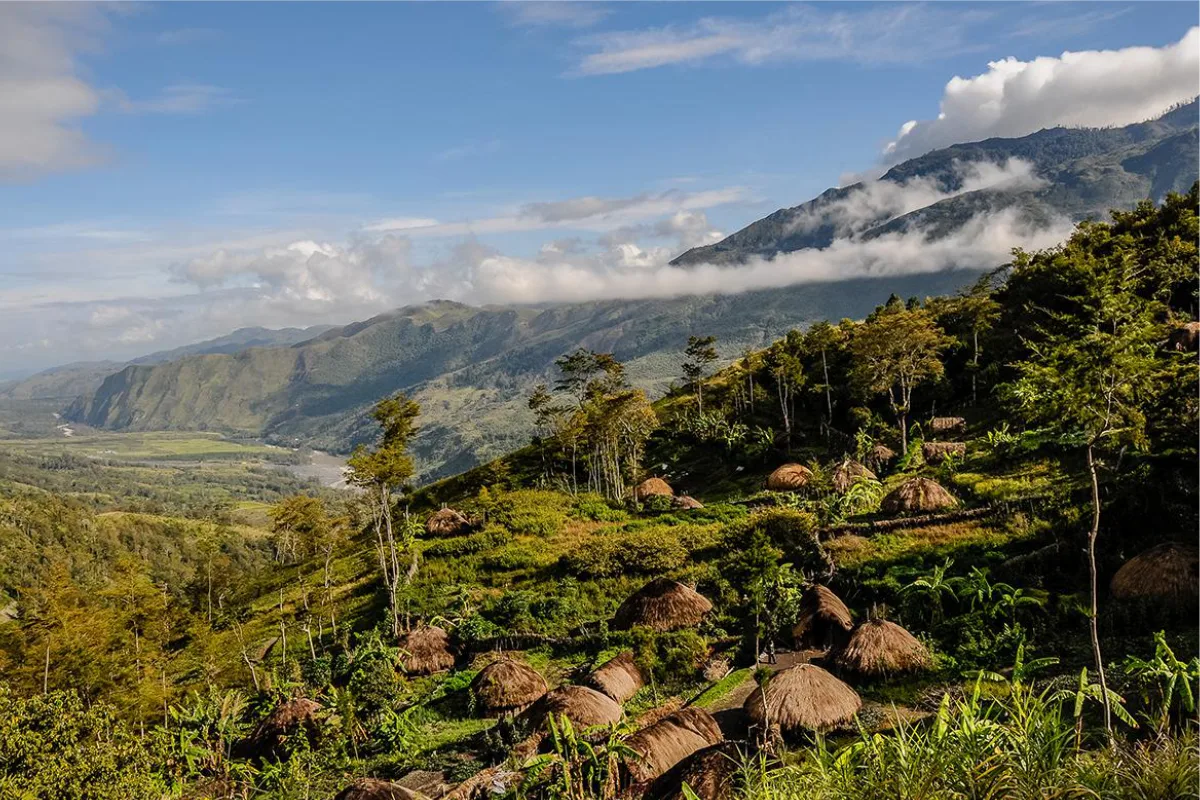
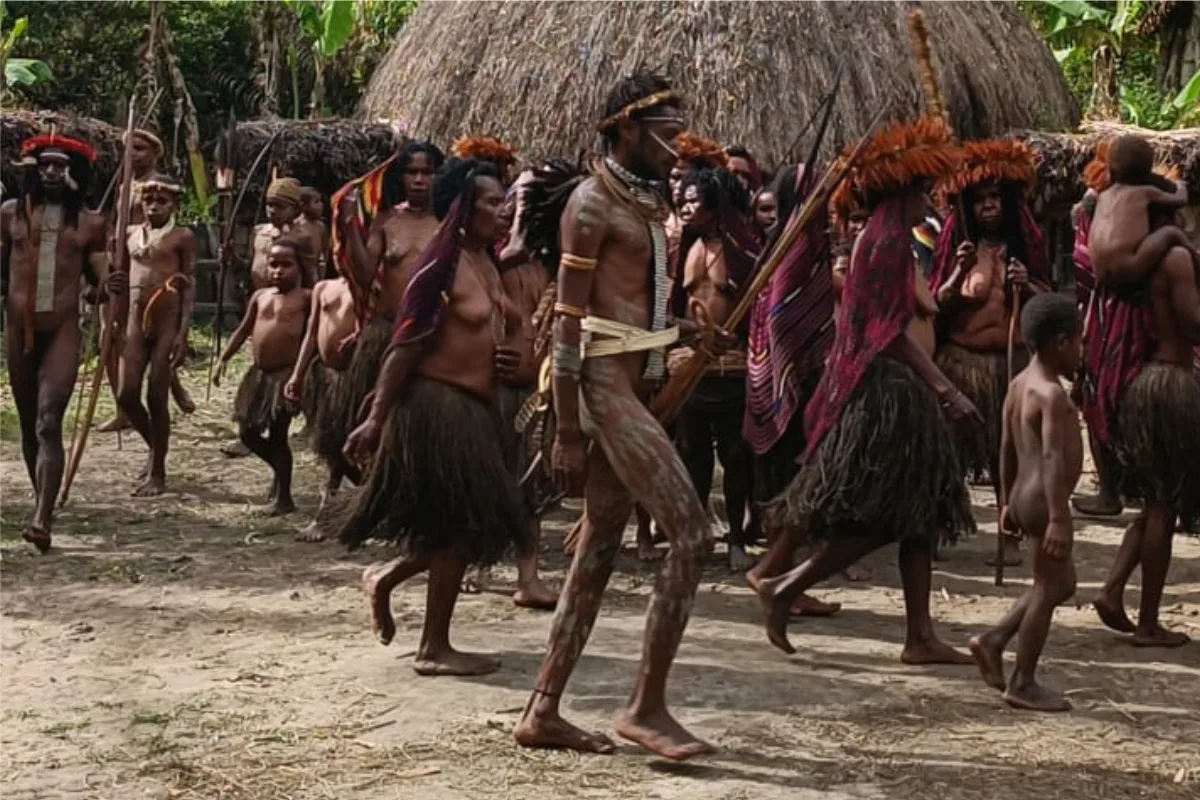
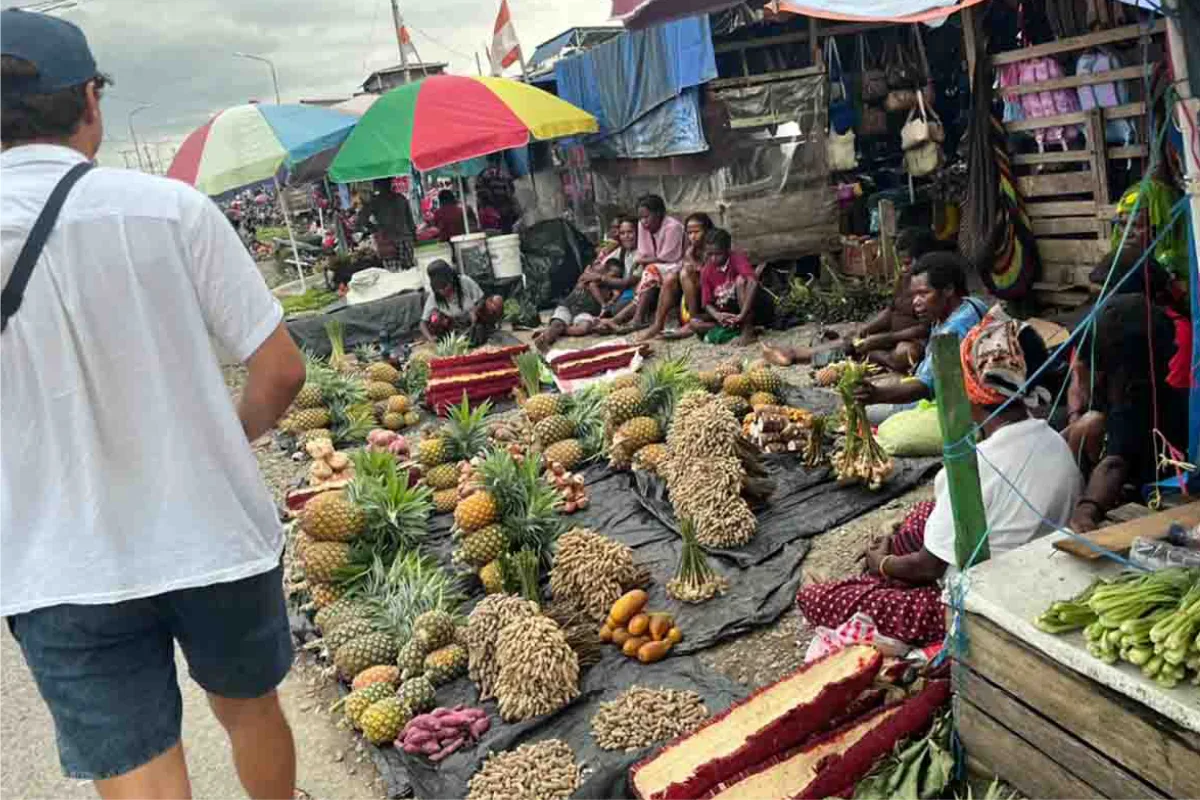
The journey begins in the highlands of the Baliem Valley, approximately 1,600 metres above sea level, where the Dani and neighbouring highland communities have developed a culture shaped by mountain terrain, sweet-potato agriculture, clan compounds and traditional honai architecture.
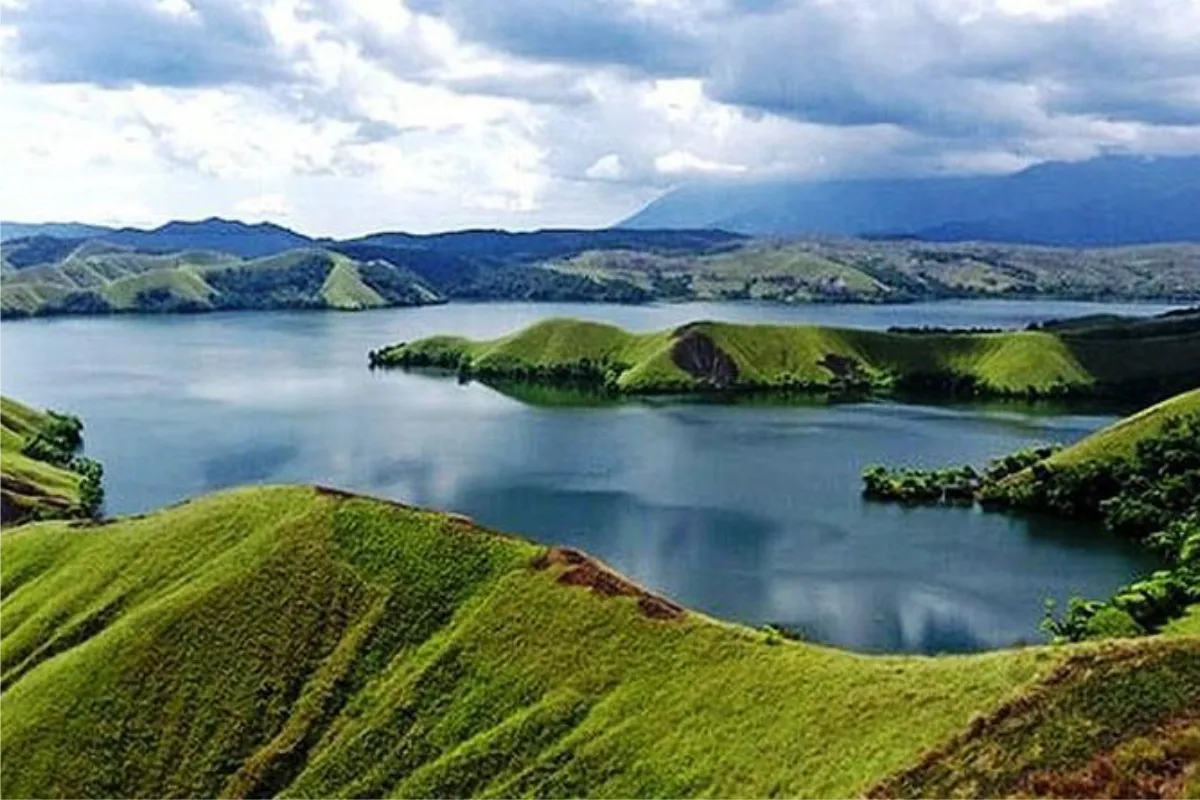
From Wamena, the expedition returns to the northern lowlands for a private exploration of Lake Sentani, before flying south to Timika and entering the Asmat region through Ewer.
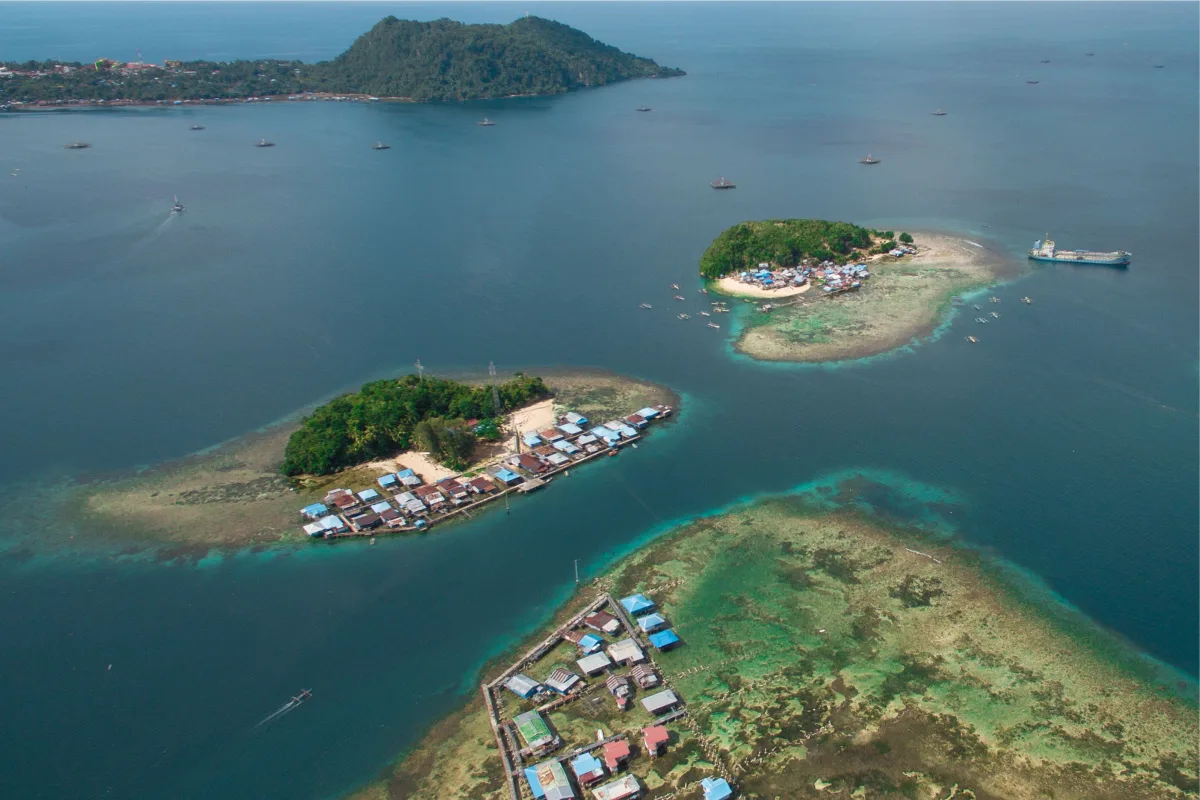
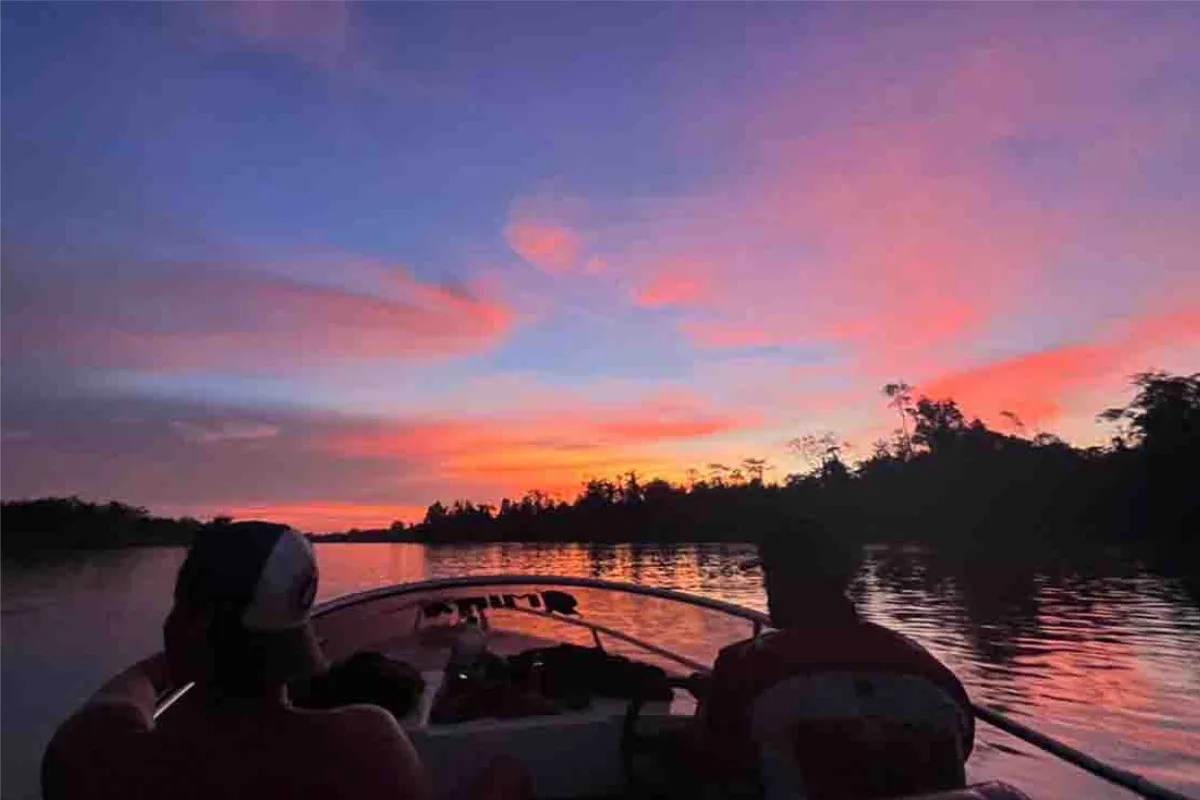
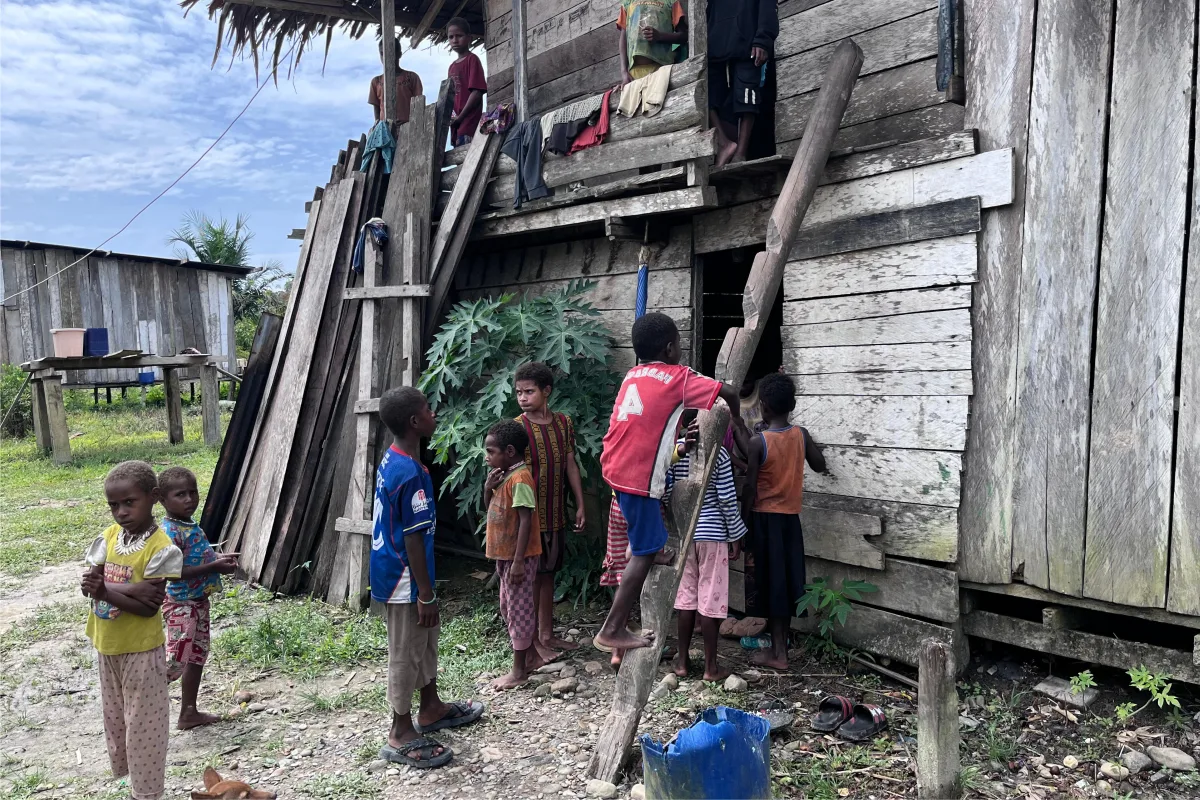
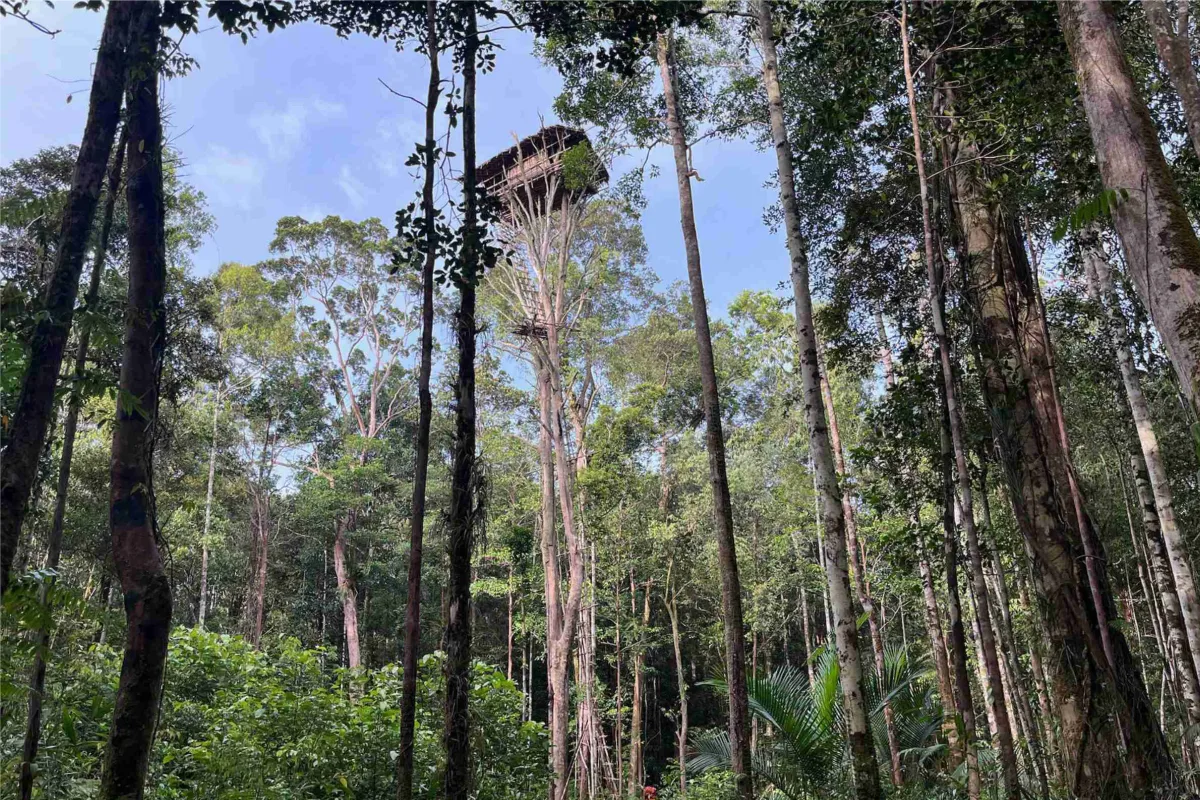
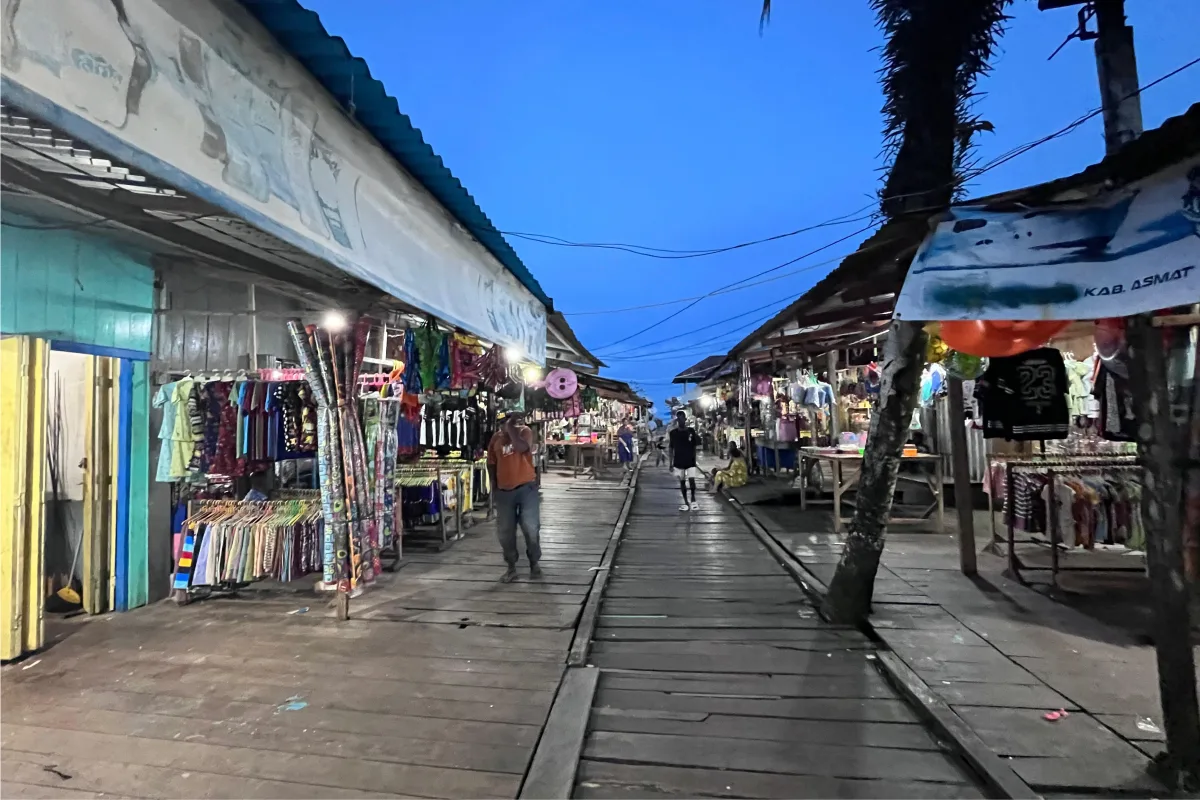
Beyond Agats, conventional tourism infrastructure largely disappears. Roads give way to rivers, speedboats to smaller wooden canoes, and hotels to local guesthouses and expedition camps. The expedition travels through Suator, Sipanap and Mabul before continuing on foot into Korowai territory.
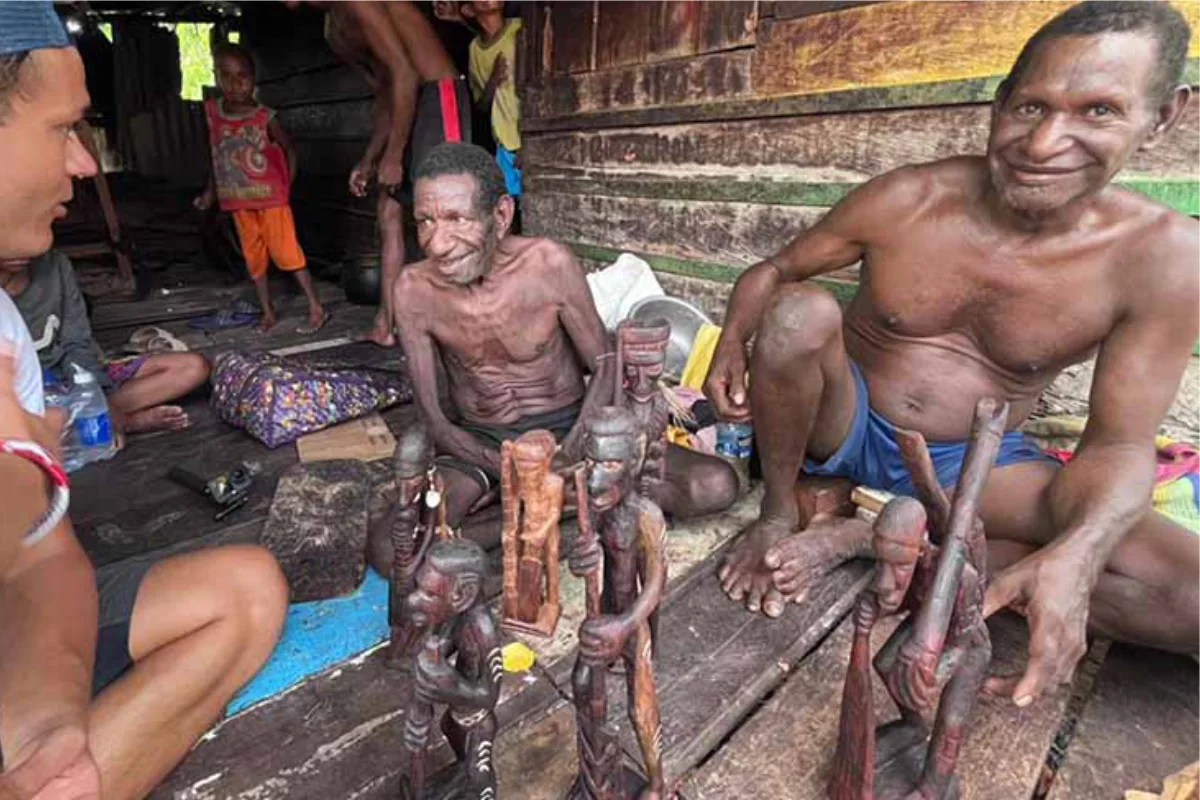
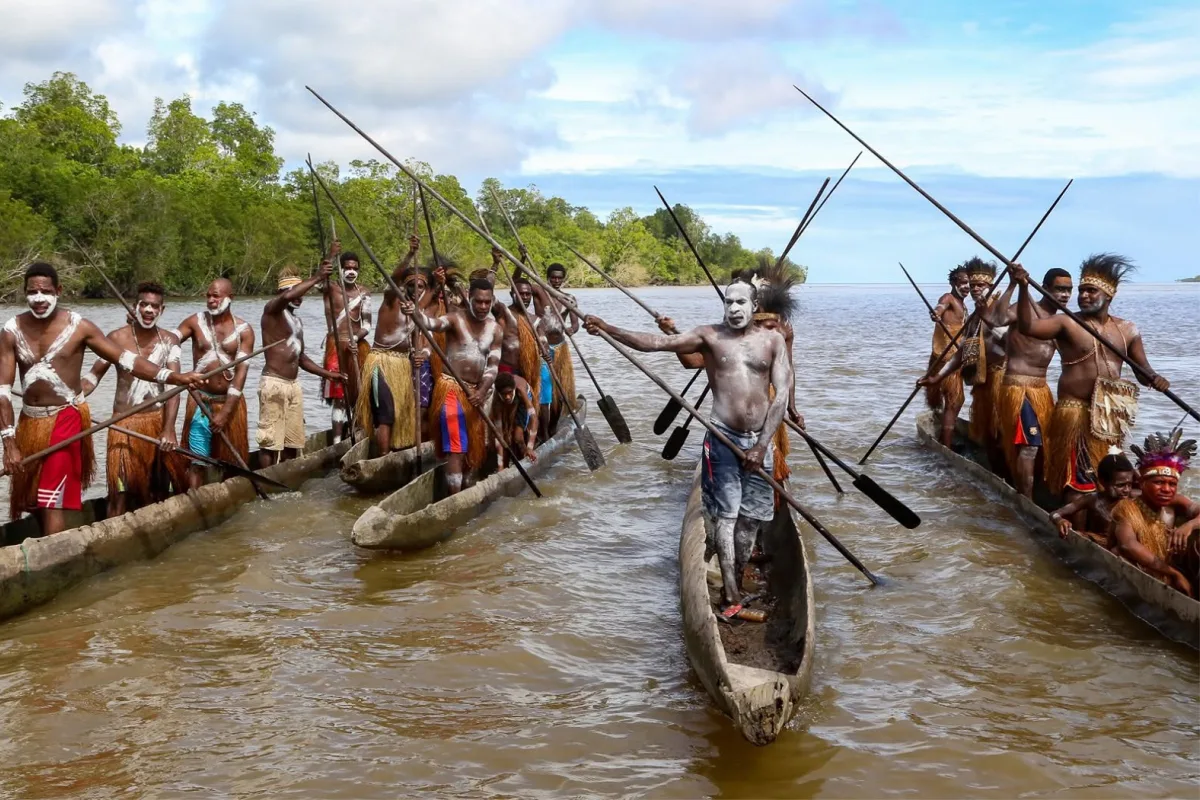
The final chapter explores the artistic and riverine culture of the Asmat, including the renowned Asmat Museum of Culture and Progress in Agats, before returning to Timika and Makassar. The museum remains active today and houses an important collection devoted to Asmat art and cultural heritage.
Physical Level
Overall: Moderate to Demanding
The expedition does not require technical climbing, but participants need good general mobility.
The principal challenges are:
Baliem Valley: uneven mountain trails, suspension bridges and approximately 4–5 hours of trekking.
Asmat: repeated boarding and disembarking from small boats.
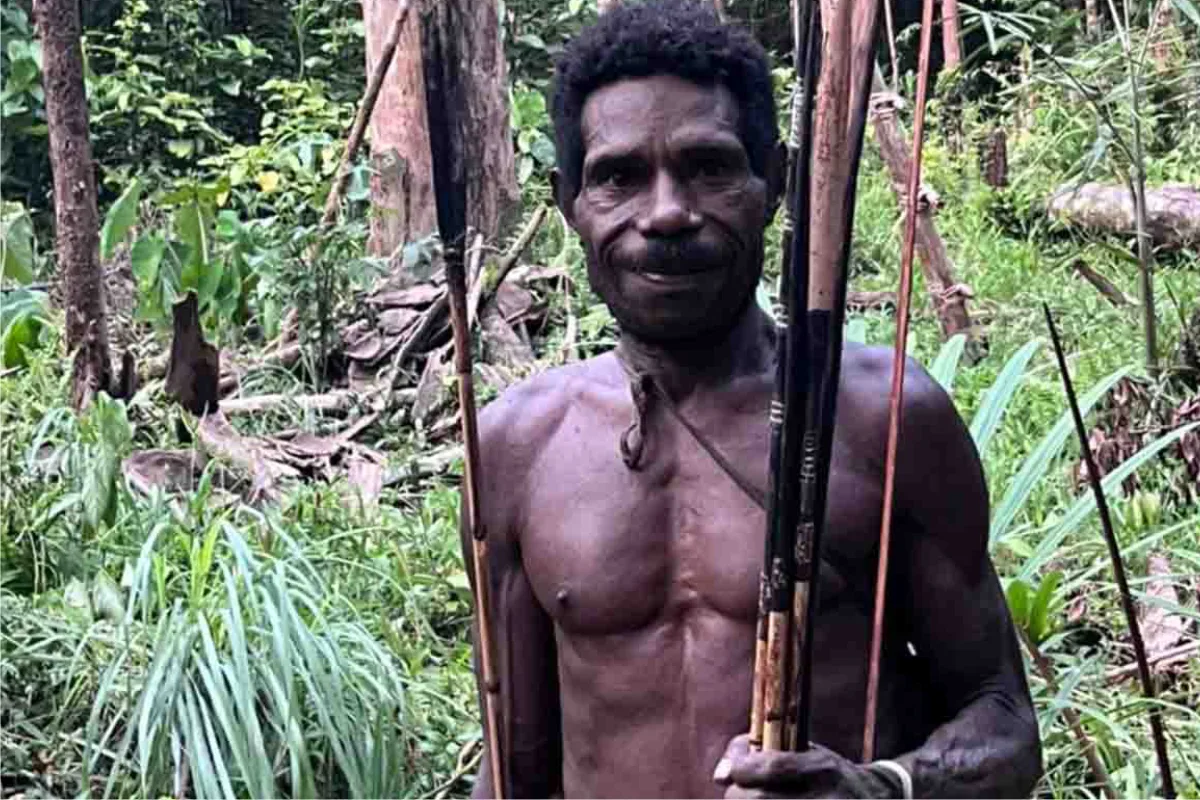
Korowai: heat, humidity, rain, mud, roots, basic bridges and potentially waterlogged rainforest trails.
Remote accommodation: simple bedding, limited bathrooms, limited electricity and no expectation of hot showers.
Cultural Protocol
This product should avoid language such as “visit primitive tribes” or suggesting that Korowai, Dani and Asmat communities exist as museum exhibits.
The experience should be framed around living cultures.
Photography should always be permission-based. Community contributions should be coordinated in advance rather than encouraging uncontrolled individual payments. Ceremonies should only be advertised when they are genuinely taking place or explicitly organised and described as such.
The earlier Korowai itinerary already takes the right approach by stating that the activities observed depend on the community, weather and actual daily life rather than guaranteeing staged demonstrations.